

Discover the Surprising Variety of Edible Forage in Wyoming
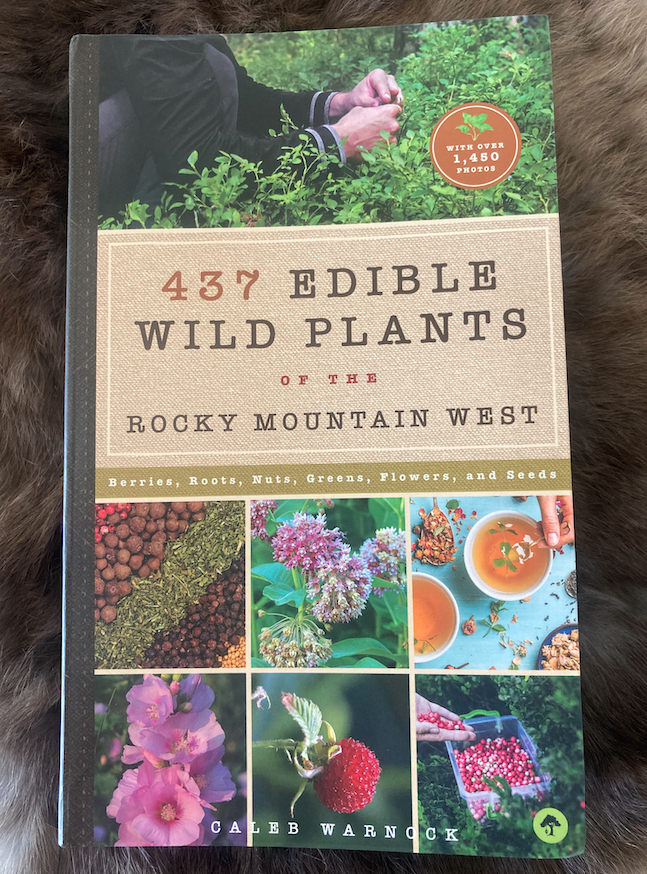
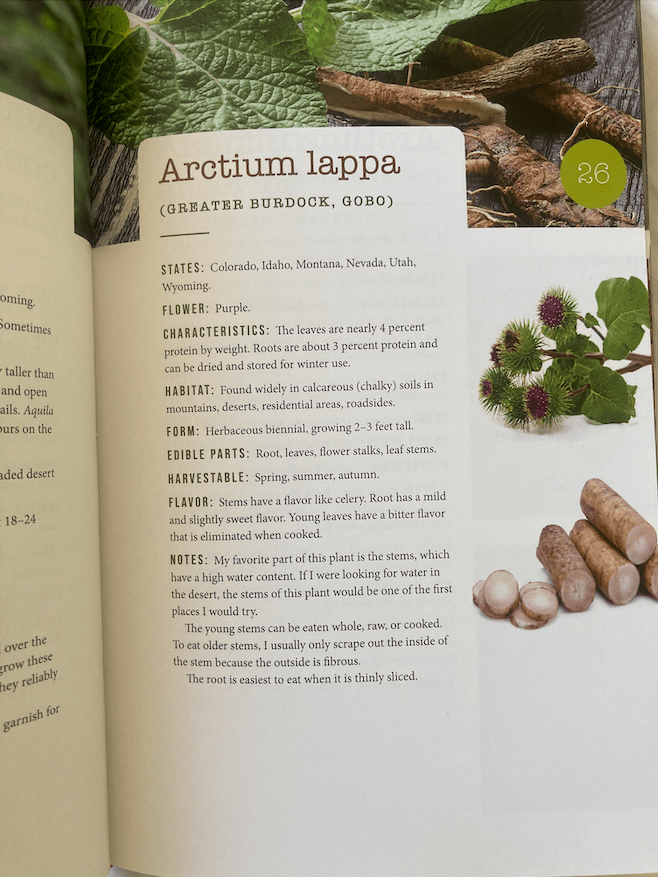
Wyoming offers a surprising variety of edible forage. Use apps like PictureThis along with a good guide like 437 Edible Wild Plants of the Rocky Mountain West: Berries, Roots, Nuts, Greens, Flowers, and Seeds by Caleb Warnock (this is an affiliate link). The paid version of the PictureThis app also identifies insects, but you can use the app for free by bypassing the free trial prompt. Just hit close on the free trial screen.
From lush meadows to forested areas and high plains, the state is a treasure trove of wild edibles. Here are some of the most abundant wild foods you can forage in Wyoming.
1. Berries
Wyoming is home to several types of wild berries that are not only delicious but also packed with nutrients.

Wild Raspberries: These juicy berries can be found in forested areas and along streams. They are perfect for making jams, desserts, or simply enjoying fresh.

Wild Currants: These small, tart berries are packed with vitamin C and antioxidants, making them excellent for jellies, sauces, and baked goods.

Chokecherries: While a bit tart, chokecherries are excellent for making syrups and preserves. They grow in large clusters on bushes found in the plains and foothills.

Serviceberries (Juneberries): These sweet berries can be found in late spring and early summer. They are great for snacking or adding to pies and muffins.
2. Nutritious Greens
Wyoming’s fields and meadows offer a variety of edible greens that can add a nutritional boost to your diet.
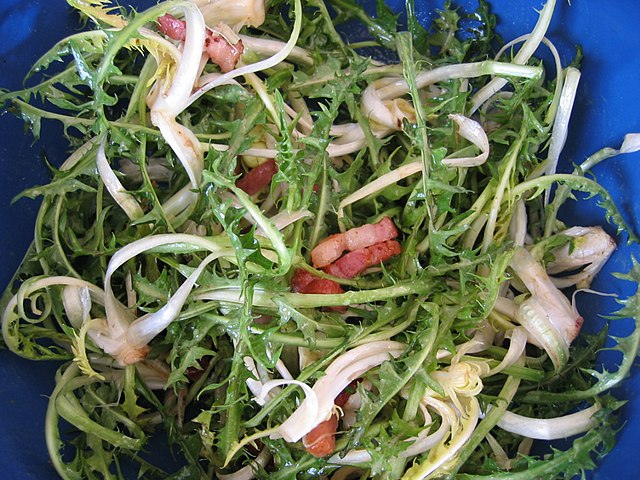
Dandelion Greens: Often considered a weed, dandelions are rich in vitamins and can be used in salads or cooked as greens.

Wild Spinach (Lamb’s Quarters): This plant is a nutritional powerhouse and can be used like spinach in any recipe.

Sheperd’s Purse: The young leaves, flowering shoots and seedpods of Shepherd’s purse are all edible.

Nettles: Found in moist, shady areas, nettles are packed with vitamins and minerals. Be sure to handle them with gloves to avoid the sting, and cook them to neutralize the stinging hairs.

Burdock: Pick the young, tender leaves in early spring.

Wild Mustard: The young leaves are best harvested in early spring before the plant flowers. Older leaves become more bitter. The leaves can be eaten raw in salads, sautéed, steamed, or added to soups and stews. They have a peppery, slightly bitter flavor.
3. Flavorful Herbs
Wild herbs are often packed with vitamins, minerals, and antioxidants, including vitamin C, iron, and calcium, and can provide a diverse range of flavors to your meals.

Wild Mint: This fragrant herb grows near water sources and can be used to flavor teas, desserts, and savory dishes.

Yarrow: Found in open fields, yarrow leaves can be used as a spice in soups and stews, while the flowers can be used to make herbal teas.

Sagebrush: The iconic sagebrush of Wyoming is not just for scenery. Its leaves can be used sparingly in teas.
4. Edible Flowers
Many of Wyoming’s wildflowers are not only beautiful but also edible.

Violets: These delicate flowers are found in shaded, moist areas and can be added to salads or used as a garnish.

Red Clover: Found in meadows and fields, red clover flowers can be used to make a sweet tea or added to salads.

Wild Roses: The petals of wild roses can be used to make rose water or added to desserts for a floral note.

Prickly Pear: Prickly pear flowers, which bloom in beautiful shades of yellow, orange, or red, are also edible. They can be used fresh in salads, added as a garnish, or dried and steeped to make tea. When foraging for prickly pear cacti, be sure to handle them carefully to avoid the spines and glochids, using gloves and tools to safely harvest and prepare the edible parts.
Wild Mustard: The flowers can be used as an edible garnish in salads, or they can be cooked briefly and added to dishes for a splash of color and a mild mustard flavor.

Yucca: The flowers of yucca glauca are edible and can be consumed raw or cooked. They have a slightly sweet taste and can be added to salads for a decorative touch or used in stir-fries and other dishes.
5. Nuts
Wyoming’s trees and shrubs offer nuts that can be foraged and enjoyed if you have the time to prepare them.

Pine Nuts: Harvested from pine cones, these small nuts are delicious raw or toasted and can be added to a variety of dishes.

Acorns: Found in oak trees, acorns can be processed into flour for baking. They require some preparation to remove the tannins, but the result is a versatile ingredient.
Tips for Safe Foraging
- Positive Identification: Always ensure you have correctly identified a plant before consuming it. Use a reliable field guide or consult an expert.
- Sustainable Harvesting: Only take what you need and leave enough for wildlife and future growth.
- Legal Considerations: Make sure to forage in areas where it is permitted and respect private property and protected lands.
Wyoming’s wild landscapes are not just a feast for the eyes but also offer a feast for the forager. With a bit of knowledge and respect for nature, you can discover a bounty of tasty edible plants. Foraging is a great way to bring home fresh food that wasn’t grown with destructive agriculture methods.





 Wyoming Prairie
Leave a comment