
Prunus virginiana, commonly known as chokecherry, is highly abundant across North America. Its native range extends from Canada down to the northern Mexico and from the Atlantic to the Pacific coasts. This hardy shrub or small tree is commonly found in various habitats, including forests, woodlands, riverbanks, and prairies. It thrives in diverse environments, from lowlands to mountainous regions, and is particularly prevalent in areas with well-drained soils.
Chokecherry is a significant part of many ecosystems due to its ability to adapt to different climates and soil types. It is commonly found in the Great Plains, Rocky Mountains, and the Appalachian regions, making it one of the most widespread native plants in North America. Its abundance contributes to its use by both wildlife and humans, particularly among indigenous tribes and early settlers, who utilized it for food, medicine, and even in crafting.
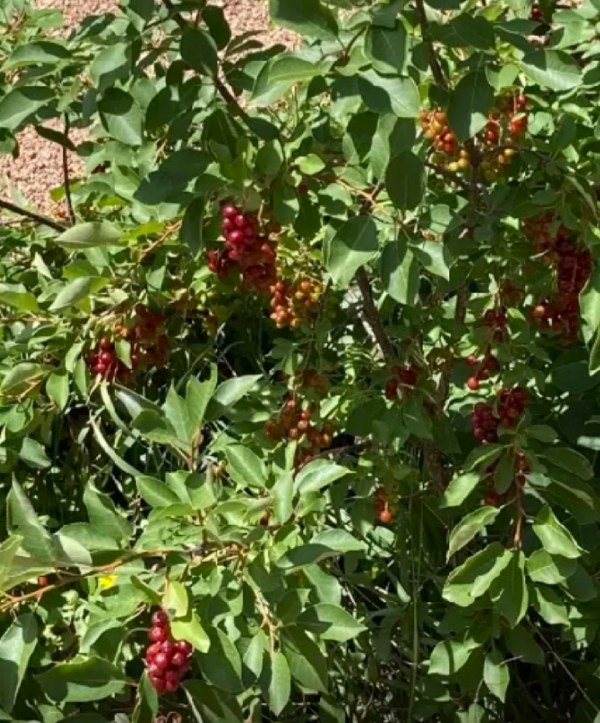
The PictureThis app can help identify this and other edible plants. It mentions that Chokecherry was named the official fruit tree of North Dakota because remnants of chokecherry have been commonly found around many archeological sites in North Dakota. 437 Edible Wild Plants of the Rocky Mountain West says a tip for identifying chokecherries is that just below most leaves, on the leaf stem, is a little raised bump. Other plants could be misidentified as chokecherry so skip this one if you aren’t sure.
Historical Uses of Chokecherries
Chokecherries have been a staple in the diets of many Native American tribes, including the Cheyenne, Arapaho, and Shoshone, long before European settlers arrived. These tribes used chokecherries not only as a food source but also for medicinal purposes. The berries were often dried and mixed with bison meat and fat to make pemmican, a nutrient-dense food that could be stored for long periods. The bark and leaves were used to treat various ailments, such as colds and digestive issues. Peterson Field Guide To Medicinal Plants & Herbs (affiliate links) says dried powdered berries were used to stimulate appetite and treat diarrhea and bloody discharge of bowels. Indigenous people of North Dakota used chokecherry in culinary dishes and used the inner bark in a ceremonial smoking mixture called kinnikinnick. In Native American Food Plants, Daniel E. Moerman says chokecherries had the greatest number of uses by American Indians out of all 1,500 species he studied.
Early European settlers in Wyoming quickly adopted chokecherries into their diets as well. They would often make preserves, syrups, and wines from the berries, appreciating their tart flavor and nutritional benefits. Today, chokecherries remain a beloved part of Wyoming’s foraging culture.
Nutritional Benefits of Chokecherries

- Rich in Antioxidants: Chokecherries are high in anthocyanins, the compounds responsible for their deep purple color. These antioxidants help protect your cells from damage caused by free radicals and may reduce the risk of chronic diseases.
- Vitamin C: These berries are a good source of vitamin C, which supports immune health, aids in collagen production, and enhances iron absorption.
- Fiber: Chokecherries are rich in dietary fiber, promoting digestive health and helping maintain a healthy weight.
- Minerals: Chokecherries contain essential minerals like potassium, calcium, and magnesium, which are important for maintaining healthy blood pressure, bone health, and muscle function.
Harvesting Chokecherries

Ripe chokecherries turn a deep, dark purple or nearly black color. If they are still red or reddish-purple, they are likely underripe and will taste very bitter. Ripe chokecherries will be slightly soft to the touch. Unripe berries are firmer and more astringent. While chokecherries are naturally tart, ripe berries will have a more balanced flavor, combining tartness with a subtle sweetness. If the berries are overly bitter and astringent, they are probably not fully ripe. When chokecherries are ripe, they should come off the stem easily with a gentle tug. If you have to pull hard, they may not be ready yet.
Eating underripe chokecherries can be problematic due to their high concentration of a compound called amygdalin, which can convert into cyanide when ingested. This compound is more potent in underripe berries, making them taste especially bitter and potentially harmful if consumed in large quantities. Additionally, the seeds of chokecherries contain higher levels of amygdalin and should not be eaten. Crushing or chewing the seeds can release cyanide, posing serious health risks. It’s crucial to always process chokecherries properly by fully ripening the berries and removing the seeds before consumption to ensure safety.
Neutralize Amygdalin
Heat can make chokecherries safe to eat by breaking down the amygdalin in the fruit, which reduces the risk of cyanide poisoning. When you cook chokecherries, such as by boiling or simmering them to make juice, jelly, or other preserves, the heat helps to neutralize the toxic compounds in both the fruit and the seeds. However, it’s still essential to strain out the seeds during the preparation process, as they contain the highest concentration of amygdalin. Properly cooking and removing the seeds ensures that chokecherries are safe to consume and enjoy.
Simmering chokecherries can lead to a significant loss of their vitamin C and antioxidant content. Vitamin C is particularly sensitive to heat, and studies show that boiling or simmering fruits and vegetables can result in a loss of up to 50% or more of their vitamin C content. Antioxidants, though slightly more stable, also degrade during cooking, with losses varying depending on the specific compounds involved.
For example, one study found that steaming vegetables led to a 14-28% loss of vitamin C, while boiling resulted in a 40-55% reduction. Since chokecherries are often simmered to reduce their bitterness and remove toxins, it’s likely that a substantial portion of their vitamin C and some antioxidants are lost during this process. However, these losses don’t eliminate the health benefits entirely, as chokecherries still retain a good amount of their nutrients and provide valuable dietary fiber and other bioactive compounds even after cooking. Studies: Emerald, SpringerLink
Chokecherry Popsicle Recipe
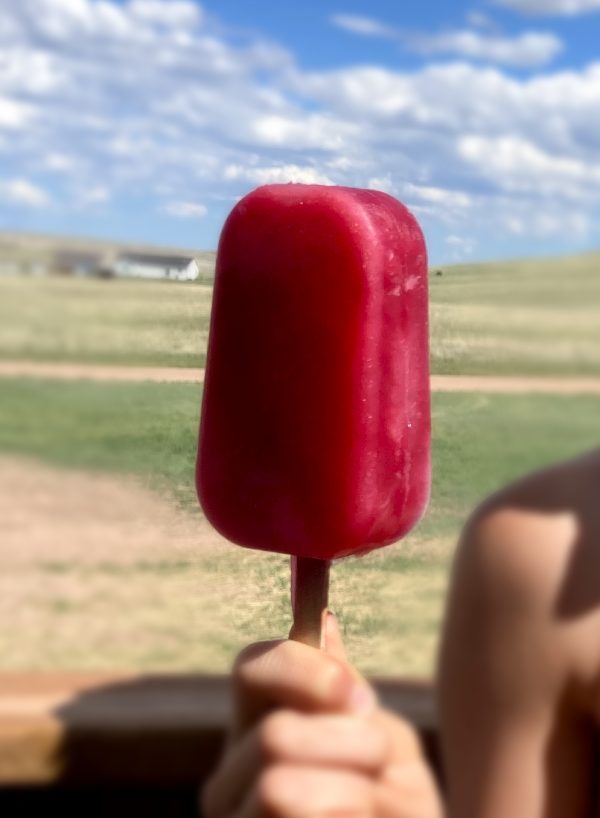
Now that you know the history and health benefits of chokecherries, let’s dive into how to make these popsicles. They’re a perfect way to cool off on a hot Wyoming day while enjoying the unique flavor of this wild fruit.
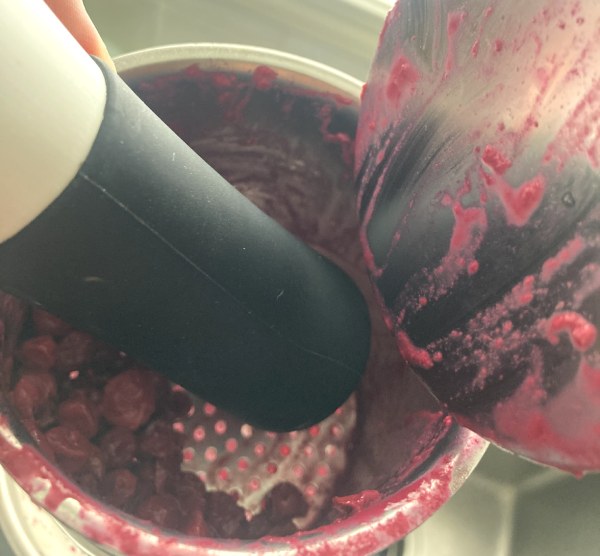
I made mine by separating the seeds using a potato ricer (affiliate links here and below) but in the future I will be investing in a food mill. I also used a filtered funnel to bottle the juice.
Ingredients:
- 2 cups fresh or frozen chokecherries
- 1/2 cup water
- 1/4 cup honey or maple syrup (adjust to taste)
- 1 tablespoon lemon juice
- Optional: 1/2 teaspoon vanilla extract for extra flavor
Instructions:
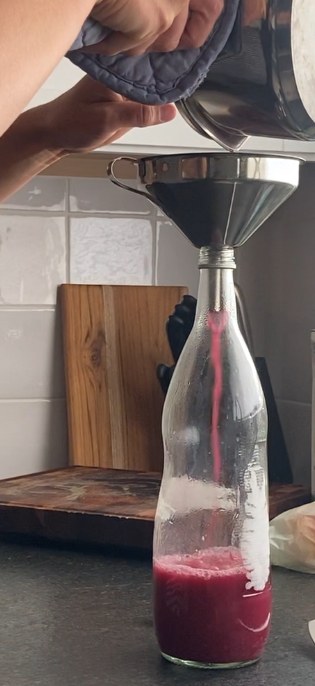
- Prepare the Chokecherries: If you’re using fresh chokecherries, rinse them thoroughly. Place the chokecherries in a saucepan with 1/2 cup of water and bring to a boil. Reduce the heat and let them simmer for about 50 minutes, or until the berries are soft.
- Strain the Juice: Once the chokecherries are soft, use a mesh strainer or cheesecloth to strain the juice into a bowl. Press the berries with a spoon to extract as much juice as possible. Discard the solids.
- Sweeten the Juice: Stir in the honey or maple syrup, lemon juice, and vanilla extract (if using) into the warm chokecherry juice. Taste and adjust the sweetness as needed.
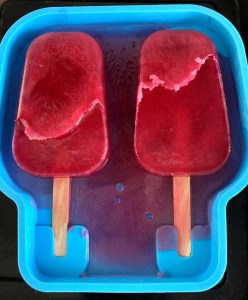
- Pour into Molds: Pour the sweetened chokecherry juice into popsicle molds. If you don’t have molds, you can use small cups and popsicle sticks.
- Freeze: Place the molds in the freezer for at least 4 hours, or until the popsicles are fully frozen.
- Enjoy

Chokecherry Venison
If you have any leftover chokecherry juice to use up, it makes a venison roast taste wonderful. Slow cook the venison in a mixture of chokecherry juice, worcestershire sauce, olive oil/butter, chopped onion and carrots, and seasoning.
Sources:




 Wyoming Prairie
Leave a comment