
This post contains affiliate links.
How to Make Bone Broth
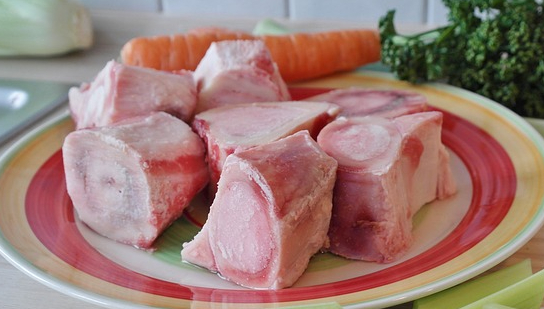
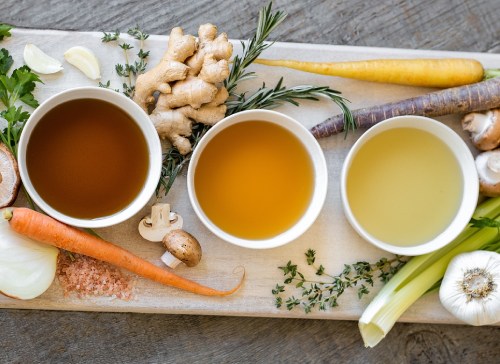
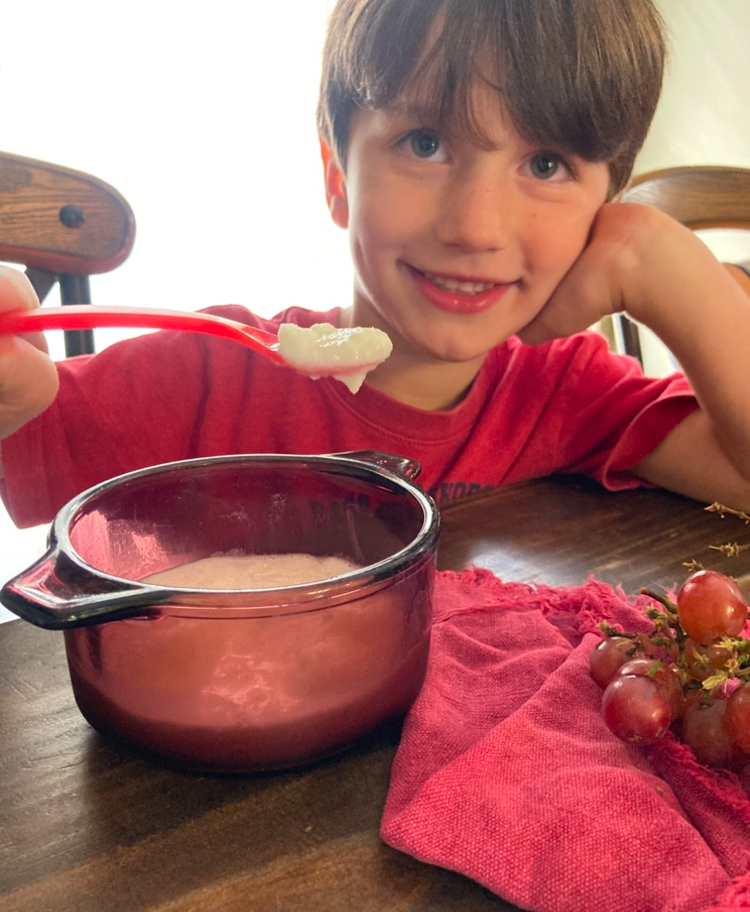
Making bone broth, also called stock, is simple. Cover bones with water and cook on low heat overnight. For bones with a lot of marrow, use a 1:2 bone to water ratio. For chicken bones, especially with some meat still attached, you can aim for a 1:3 ratio. With meaty cuts like oxtail or shank, a 1:4 ratio of bones/meat to water works well.
It offers a nutritious, hearty foundation for many meals. Bone broth is rich in minerals, particularly zinc and magnesium, which are vital for a strong immune system. The collagen in bone broth also promotes skin elasticity, hydration, and overall health. Collagen is often associated with reducing wrinkles and improving skin barrier function. Bone broth contains glutamine, an amino acid that helps strengthen the lining of the gut. This can be beneficial for people dealing with leaky gut syndrome, irritable bowel syndrome, or general digestive discomfort. Here are some ways to use it throughout the week.
Use Bone Broth in Spaghetti Sauce

- 1 cup bone broth
- 1 can (6 oz) tomato paste
- 1 tablespoon olive oil
- 1 small onion, finely chopped
- 2-3 garlic cloves, minced
- 1 teaspoon dried oregano
- 1 teaspoon dried basil
- 1 teaspoon salt (adjust to taste)
- 1/2 teaspoon black pepper
- 1 tablespoon sugar or sweetener (optional, to cut acidity)
Heat olive oil in a large pan over medium heat. Add the chopped onion and cook until softened, about 5 minutes. Add garlic and cook for another 1-2 minutes. Stir in the tomato paste and cook for a minute, allowing it to caramelize slightly. Slowly add the bone broth, stirring constantly to mix it well with the tomato paste. Add oregano, basil, salt, and pepper. Let the sauce simmer on low heat for 15-20 minutes to let the flavors meld together. If it becomes too thick, you can add more bone broth. Taste the sauce and add sugar or sweetener if it tastes too acidic. Serve over cooked spaghetti. Use chickpea spaghetti for a lower carb, higher protein, gluten-free option.
Lentils and Rice With Bone Broth

- 2-3 beef bone knuckles
- 8-10 cups water
- 1 tablespoon apple cider vinegar (optional, for better collagen extraction)
- 1 cup dried lentils
- 1 large onion, chopped
- 2 carrots, peeled and chopped
- 1-2 serrano peppers, chopped (adjust for heat preference)
- 2 teaspoons ground cumin
- Salt and pepper to taste
- 1 tablespoon olive oil (optional, for extra richness)
- 1 ½ cups basmati rice
- 3 cups bone broth (from the slow-cooked knuckles)
Step 1: Make the Bone Broth
- Overnight Slow Cooking: Place bone knuckles in a slow cooker, cover with 8-10 cups of water, and add the apple cider vinegar. Cook on low overnight.
- Remove Bones: In the morning, remove the bone knuckles. Refrigerate a few cups of broth for the rice later.
Step 2: Cook the Lentil Soup
- Add Ingredients: Add 1 cup of rinsed lentils, chopped onion, carrots, serrano peppers, olive oil, cumin, and salt. Stir well.
- Slow Cook: Set the slow cooker on high and cook for 4-5 hours, or on low for 6-8 hours, until the lentils and vegetables are soft.
- Puree: Once cooked, use an immersion blender to puree the soup until smooth.
Step 3: Cook the Rice
- Cook the Rice in Bone Broth: While the soup is cooking, cook the basmati rice. Rinse 1 ½ cups of basmati rice under cold water, then add it to a pot with 3 cups of bone broth.
- Simmer: Bring to a boil, reduce the heat, cover, and simmer for 15-20 minutes until the broth is absorbed and the rice is tender.
Serve the Lentils Over Rice
Top with parsley and diced red bell pepper (optional).
Mushroom Risotto Using Bone Broth
- 1 ½ cups arborio rice
- 4 cups bone broth (kept warm)
- 1 tablespoon olive oil
- 1 small onion, finely chopped
- 3 garlic cloves, minced
- 1 cup shiitake mushrooms
- ½ cup dry white wine (optional)
- 2 tablespoons butter
- ½ cup grated parmesan cheese
- Salt and pepper to taste
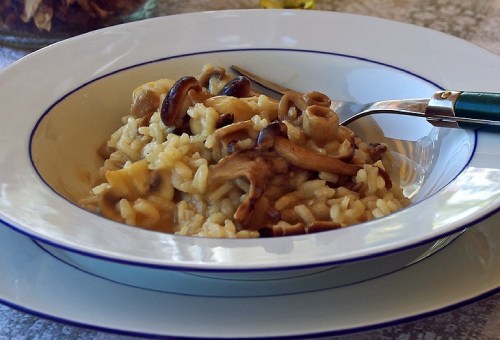
Heat olive oil in a large pan over medium heat. Add mushrooms and cook until browned, about 5-7 minutes. Remove the mushrooms and set aside. In the same pan, melt 1 tablespoon of butter and add chopped onions. Sauté until softened, about 5 minutes. Add minced garlic and cook for another minute. Stir in the Arborio rice, coating it with the butter and oil. Cook for about 1-2 minutes, until the rice becomes lightly toasted. Add the white wine, stirring constantly until it evaporates. Begin adding warm bone broth, one ladle at a time. Stir continuously until the broth is absorbed before adding more. Repeat this process until the rice is tender and creamy, about 20-25 minutes. About halfway through cooking, add the sautéed mushrooms back into the pan. Once the risotto is creamy and fully cooked, stir in the remaining butter and grated parmesan cheese. Season with salt and pepper to taste.
Beef Stew With Bone Broth
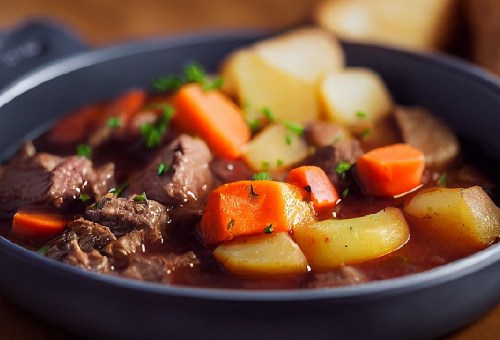
In a large pot or slow cooker, add 1 to 1.5 pounds of beef stew meat, 4 cups of bone broth, 1 large chopped onion, 2 chopped carrots, 2 chopped celery stalks, 2-3 diced potatoes, and 2 minced garlic cloves. Add 2 tablespoons of tomato paste. Season with 1 teaspoon of cumin and dried thyme, 2 bay leaves, salt, and pepper to taste. I skip sautéing because it aggravates reflux but you can sauté meat and veggies to enhance flavor. For slow cooking, set your cooker to low and cook for 6-8 hours, or until the meat is tender. For stovetop, bring everything to a boil, then reduce the heat and let it simmer for 2-3 hours, checking for tenderness. If the stew is too thin at the end, mix 1 tablespoon of cornstarch with cold water, then stir it into the stew and let it cook for another 10 minutes until it thickens.
Quick Chili With Bone Broth

Brown 1 pound of ground beef/turkey in a large pot. Add 1 can of diced tomatoes, 1 can of drained kidney beans, 2 tablespoons of tomato paste, 1 chopped bell pepper, and 1 chopped onion. Pour in 2 cups of bone broth. Season with 1-2 tablespoons of chili powder, 1 teaspoon of cumin, 1 minced garlic clove, and salt and pepper to taste. Simmer everything together for about 30 minutes to let the flavors meld, stirring occasionally. Adjust seasoning as needed.
Bone Broth Chicken Curry Recipe

- 1 lb chicken thighs, cubed
- 2 cups bone broth (chicken or beef)
- 1 can coconut milk (13.5 oz)
- 2 tablespoons curry powder
- 1 onion, chopped
- 3 cloves garlic, minced
- 1 tablespoon fresh ginger, minced
- 2 bell peppers, sliced
- 2 carrots, sliced
- 1 can of peas (or frozen bag)
- 1 small zucchini, chopped
- 1 tablespoon coconut oil
- 1 teaspoon turmeric
- 1/2 teaspoon cumin
- 1/4 teaspoon cayenne (optional, for heat)
- Salt and pepper to taste
- In a large pot, heat the coconut oil over medium heat. Add the chopped onion, garlic, and ginger. Stir for a few minutes until fragrant.
- Add the cubed chicken and cook until browned on all sides.
- Stir in curry powder, turmeric, cumin, and cayenne (if using). Cook for 1-2 minutes to let the spices bloom.
- Add the sliced bell pepper, zucchini, and carrots, then pour in the bone broth and coconut milk. Stir well.
- Bring the mixture to a boil, add the peas, then reduce the heat to low and let it simmer uncovered for about 20-30 minutes, or until the vegetables are tender and the sauce thickens.
- Season with salt and pepper to taste. Serve over rice or with naan bread, and garnish with fresh cilantro.
Bone Broth in Smoothies

Try using half bone broth, half milk in your smoothie. Flavored bone broth powder tastes better in smoothies, though. It was a staple for me when my immune system was rejecting foods.
I’ve had many health quirks relieved by diet changes. Having had Lyme disease and an overactive immune system, I now realize how important it is to put effort into nutrition and keep my blood sugar stable. Dr. Terry Wahls, creator of the Wahls Protocol, emphasizes the importance of nutrient-dense foods, including bone broth, for people with autoimmune conditions. Bone broth plays a key role in her approach due to its rich supply of collagen, amino acids, and minerals, which support gut health and reduce inflammation. In her books, she highlights how bone helps repair the gut lining, which is crucial for patients with autoimmune issues since a leaky gut can exacerbate immune responses.
Bone broth or stock can easily replace water or part of the milk in many recipes. Use it to cook mashed potatoes, quinoa, cornbread, and beans.




 Wyoming Prairie
Leave a comment