

Rabbits Are One of the Most Sustainable Foods You Can Raise
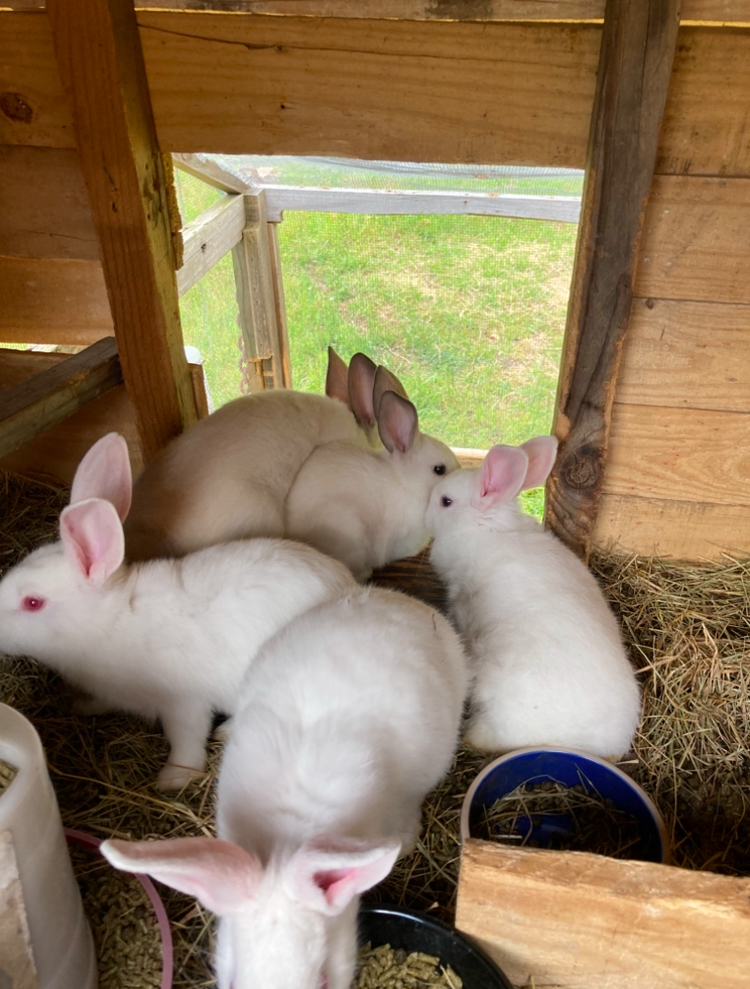
When people think about sustainable food, their minds usually jump to backyard chickens, vegetable gardens, or maybe a small herd of goats. But there’s another animal that often gets overlooked—rabbits. And if you’ve got a little bit of grass and some local hay, you might be sitting on one of the most eco-friendly, self-sufficient food sources around.
What Makes Meat Rabbits So Sustainable?

Meat rabbits are efficient. You can raise rabbits on grass and hay, especially if you have access to fresh forage and quality local hay. While many people rely on commercial pellets, it’s entirely possible to raise rabbits without pellets if you have nutrient-dense forage available.
Plus, rabbit manure is excellent for gardens. It’s a “cold” fertilizer, meaning it can be used fresh without composting. If you’re into permaculture or organic gardening, this is a goldmine.
Efficient Feed Conversion
Rabbits turn grass, weeds, and hay into meat more efficiently than just about any other livestock. Pound for pound, they grow faster and eat less than chickens, goats, or pigs. They can be fed primarily on local hay and what grows right in our own yard—dandelions, clover, and a bit of alfalfa. Not only is this cost-effective, it’s a great way to turn “yard waste” into food.
Minimal Land and Water Needs
You don’t need a pasture or fancy infrastructure. Just a small hutch/cage or rabbit tractor that keeps them safe from predators. And while they need clean water daily, their water use is still much lower than larger animals.
Clean Meat, Clean System
Rabbits are naturally lean, low in cholesterol, and easy to process on a small scale. There’s very little waste, and the manure they produce is garden gold—rich in nitrogen and safe to use without composting first.
No Industrial Grain Dependency
If you raise rabbits thoughtfully, you can reduce or eliminate store-bought pellet feed entirely. That’s a big win when you’re trying to break free from grain-heavy food systems. They will often grow out faster on pelleted feed, though.
Super Easy to Butcher
Before moving to Wyoming, we were either raising or hunting nearly all of the meat for our family. Rabbits are by far the easiest animal to butcher. Chickens are probably my least favorite. Here’s how to humanely process rabbits:
Bonus: Garden Fertilizer
Rabbits produce a steady supply of manure that can go straight into your garden without composting first. It won’t burn your plants and is full of nutrients. This turns your yard into a kind of closed-loop system where your garden helps feed your rabbits, and your rabbits help feed your garden.
How much space do meat rabbits need?

Rabbits don’t need acres of pasture or complicated shelter. A secure hutch or movable pen in a shady part of your yard can house a few rabbits comfortably.
In my experience, rabbits can actually become aggressive if given too much space. Here’s a cage we had that was made from an old bird cage. The rabbits liked jumping up on the ledges. I’d recommend not building a cage much bigger than this for a single doe.
Rabbits do need clean living spaces, gentle handling, and protection from heat and predators. Heat can kill a rabbit fast, especially with high humidity. I used deep shade, fans, and frozen water bottles to cool my rabbits in southern heat.
We built this movable cage on wheels for growouts using mostly pallet wood.
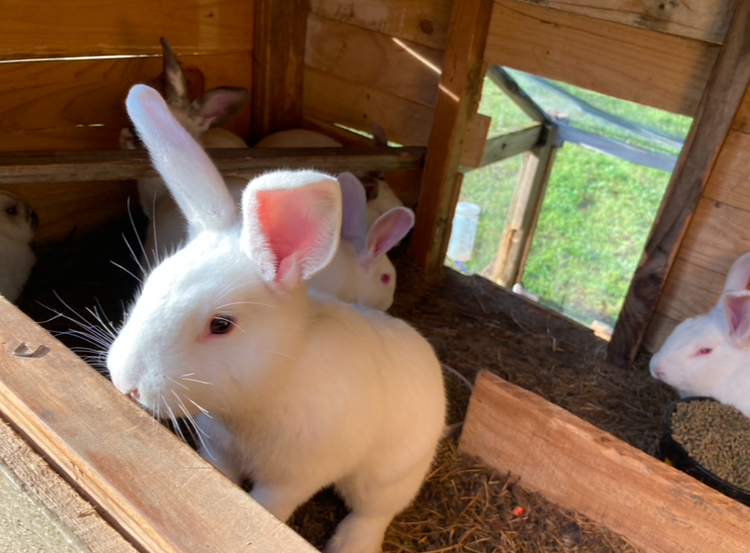
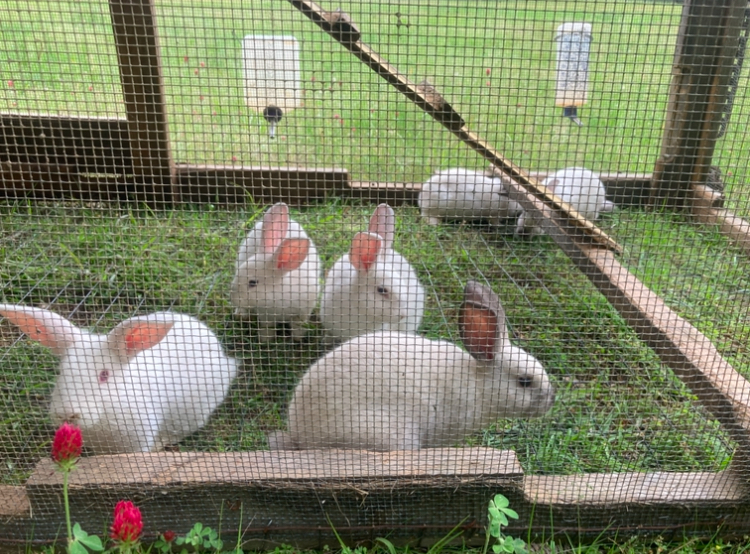
This is my current setup in my barn.
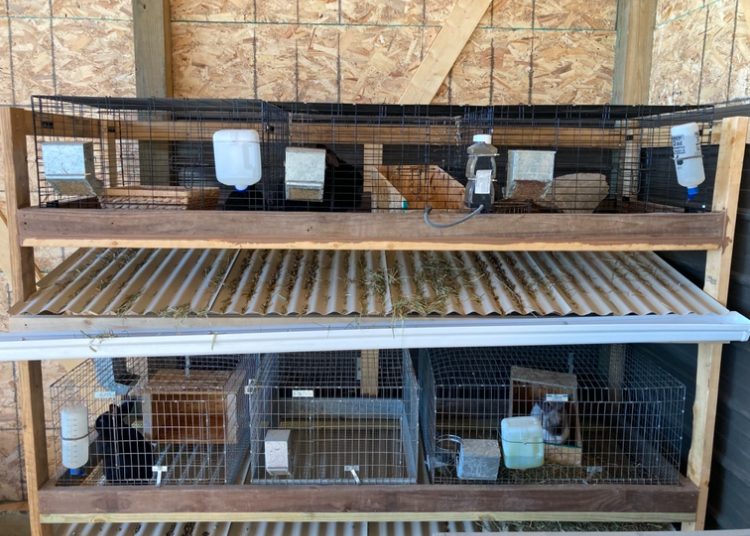
The manure is collected in a bin to the side of the cages.
Bunnies are quiet, clean, and low-maintenance compared to many animals, which makes them ideal for suburban or even urban settings.
This is my current rabbit tractor.
We’re using a simple movable rabbit cage that allows the growouts to eat fresh grass. This video shows how we built it. We used wheels and the handle from an old kid’s wagon.
Should rabbits be kept on wire floors?
I do think it can be cruel to keep large rabbits on wire floors if they do not have resting areas. My rabbits get shelter boxes, nesting boxes, and tiles to rest/jump on. Rabbits produce enough urine that they can quickly get urine scald if they’re kept on solid floors, though. I once took in a rabbit that rabbit scald who had sores for months afterwards. If they’re kept on the ground, they can get coccidia.
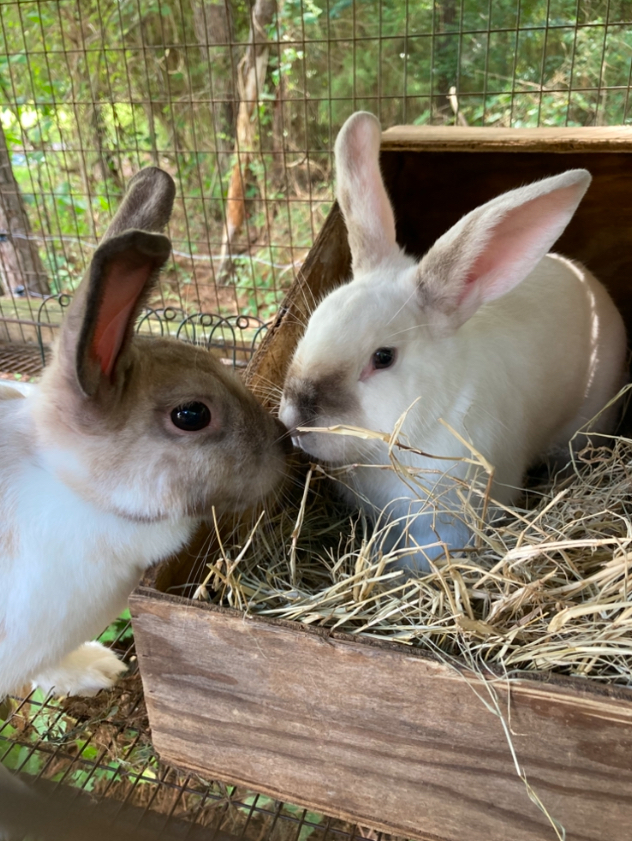
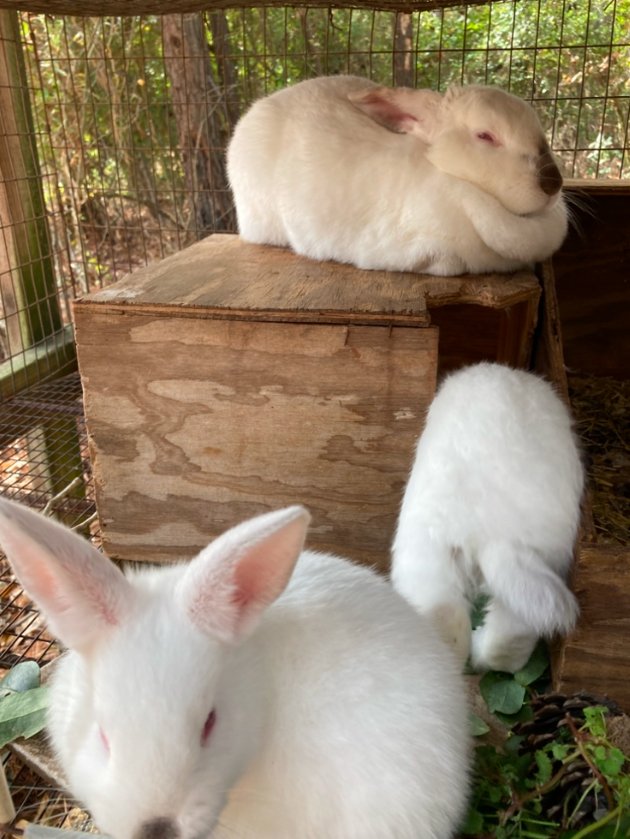
Rabbit Meat Omega Ratios
Grass-fed rabbits are among the least inflammatory meats due to their natural diet and low fat content. This makes them not only sustainable but also a nutritionally smart choice for those looking to reduce dietary inflammation. Animals fed mostly grass or forage tend to have higher omega-3 and lower omega-6 fatty acid levels, leading to less inflammatory fat profiles in their meat. Grain-fed animals (like conventional pork or chicken) often have imbalanced ratios, with too much omega-6, which can contribute to inflammation. If you have conditions like rheumatoid arthritis, lupus, IBD, Crohn’s, ulcerative colitis, or even mood disorders, diet is definitely something to monitor. A pro-inflammatory diet high in omega-6 can worsen insulin resistance type problems too. The modern Western diet often has a ratio of omega-6 to omega-3 as high as 20:1, while the ideal ratio is thought to be closer to 2:1 or 4:1.
Omega-6 Fatty Acid Comparison by Meat Type
(Based on typical 3.5 oz / 100g cooked portion)
| Meat Type | Feed Source | Approx. Omega-6 (g) | Inflammation Risk | Notes |
|---|---|---|---|---|
| 🐇 Rabbit | Grass/Hay & forage | ~0.4g | 🔵 Low | Very lean, anti-inflammatory fat profile |
| 🐄 Grass-Fed Beef | Pasture | ~0.05–0.1g | 🔵 Very Low | Ideal omega-6:omega-3 ratio (~2:1) |
| 🐄 Grain-Fed Beef | Corn/soy-based grain | ~0.2–0.4g | 🟡 Moderate | Omega-6 increases when finished on grain |
| 🐓 Conventional Chicken | Grain-fed (soy/corn) | ~2.3–3.0g | 🔴 High | Omega-6:3 ratio often >15:1 |
| 🐖 Conventional Pork | Grain-fed (corn/soy) | ~2.0–3.5g | 🔴 High | High PUFA (polyunsaturated fats) |
| 🐟 Wild Salmon | Wild forage/fish | ~1.0g (omega-6) | 🟢 Balanced | Also high in anti-inflammatory omega-3s |
Try this book (affiliate link) if you’d like to learn more.
Best Meat Rabbit Breeds for Beginners
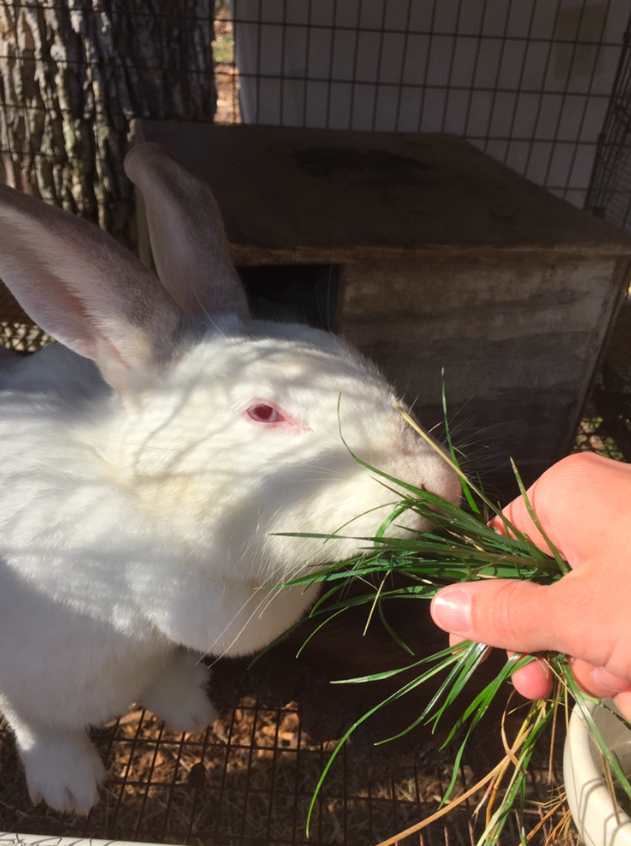
If you’re just getting started, you might be asking what are the best meat rabbit breeds for beginners? Popular choices include New Zealand Whites, Californians, and Silver Foxes. These breeds grow quickly and are known for their impressive meat-to-bone ratios. I’ve personally found New Zealand rabbits to be more on the aggressive side if they aren’t separated/butchered before 3 months old, though. They can become territorial as they reach puberty.
How Much Meat Do You Get from a Rabbit?
On average, a mature fryer (butchering age around 8–12 weeks) yields about 2.5–3.5 pounds of meat. It’s a surprisingly efficient output for a small animal, especially if you’re working with limited space.
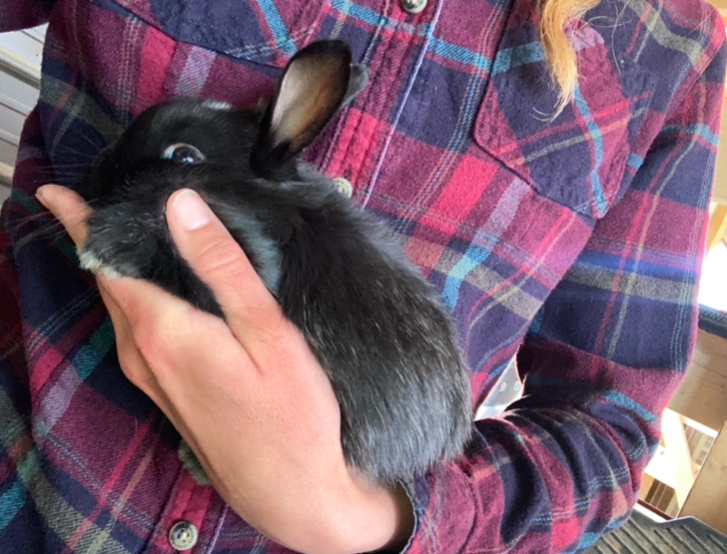
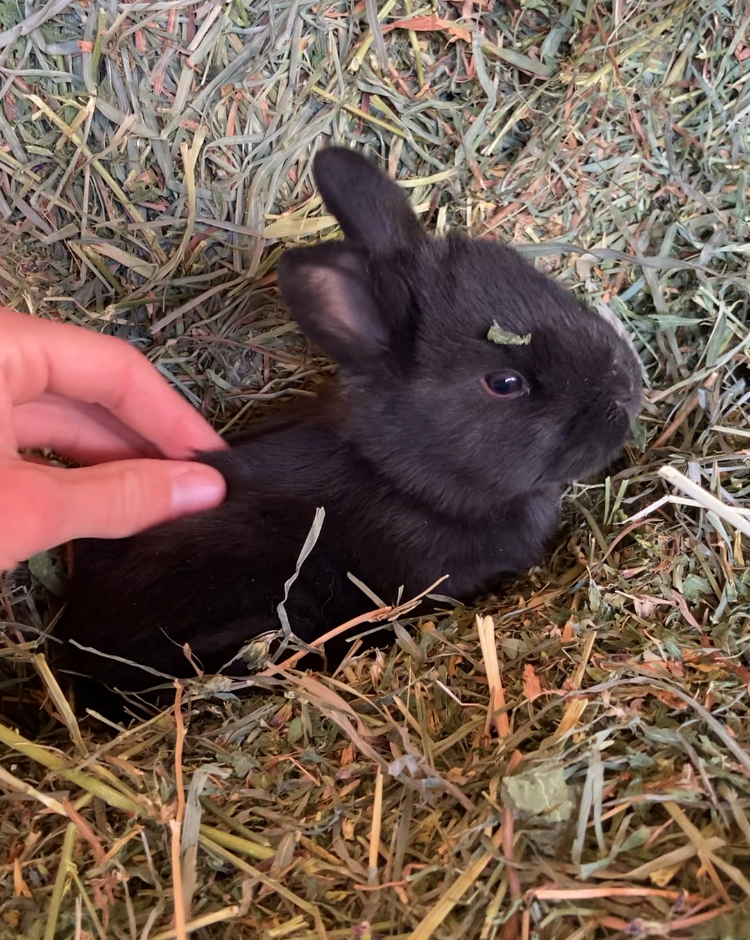
Here’s a 3 week old satin x silver fox rabbit.

Here’s a 10 week old satin x silver fox rabbit.
How to Eat Rabbit

Rabbit meat is delicious, mild, slightly sweet, and extremely versatile. I like to butcher several at a time and package the parts separately.
The tenders (back muscles) are too good to slow cook with the legs. They can be cooked just like chicken tenders.
We package up the front legs together to cook like chicken wings. The back legs often go into curries and similar dishes. Rich, nutritious broth can be made with the leftover carcasses.
Pictured is a skewer of rabbit hearts.
How to Process Meat Rabbits
Other rabbit processing videos will likely keep the “saddle” whole but we prefer to cut out the tenders to eat just like chicken tenders.
Is Rabbit Meat Nutritious? Debunking the “Rabbit Starvation” Myth
The misconception that rabbit meat is “not nutritious” mainly comes from the term “rabbit starvation”, also known as “protein poisoning.” This term arose from survival situations where people ate only extremely lean wild rabbit meat, without enough fat or carbohydrates to meet their full nutritional needs. The term “rabbit starvation” came from early explorers and frontiersmen who, in times of extreme scarcity, tried to survive by eating only wild rabbit meat. Wild rabbits are extremely lean (almost fat-free) and when consumed as the sole food source, the lack of fat and carbohydrates can cause symptoms like fatigue, nausea, and digestive upset. This wasn’t because rabbit meat is unhealthy, it’s because the body can’t run on pure protein alone.
When raised on pasture and eaten as part of a balanced diet, rabbit meat is incredibly nutrient-dense. Here’s what makes it so great:
- Easily digestible, even for those with sensitive stomachs
- High in protein
- Very low in saturated fat, making it a heart-healthy option
- Packed with B vitamins (especially B12 and niacin)
- Naturally rich in minerals like selenium, phosphorus, and potassium
Rabbits for Backyard Homesteaders
Raising meat rabbits might not be mainstream, but for those who are looking for sustainable livestock options, they’re hard to beat. They grow fast, reproduce efficiently, thrive on simple diets, and leave behind rich fertilizer. And if you’re concerned about the ethics of meat, knowing that your animals lived a good life makes a big difference. Raising rabbits for food isn’t just sustainable, it’s empowering. It gives you control over your food and reduces your reliance on distant supply chains. Whether you’re on a few acres or in a quiet suburban yard, rabbits might be one of the simplest ways to raise your own ethical, clean, and truly local meat.
You can find cages, feed, and other products I find handy for raising rabbits here: https://benable.com/AshleyCuevas/raising-rabbits
Thanks for reading!




 Wyoming Prairie
Leave a comment