
Body care products, air fresheners, laundry detergents, and cosmetics usually contain fragrances. Over 95 percent of shampoos, conditioners, and styling products on the market contain fragrance. Due to trade secret protection laws, companies do not have to disclose what chemicals are in these products or have them approved for safety before marketing them. EWG research found an average of 14 unlabeled chemicals in the 17 fragrance products studied. The FDA does not require safety testing or premarket approval for perfumes, unlike other consumer items that enter our bodies.
Synthetic fragrances can have neurotoxic and neurostimulatory effects, and research is showing them to be carcinogenic, cytotoxic, and mutagenic. Chemicals in fragrances can disrupt hormones and have been shown to be toxic to reproductive systems. Some perfumes are cytotoxic to human fetal brain development, and research is suggesting they could be changing human brain development. The Environmental Protection Agency (EPA) says ingredients in synthetic fragrances emit VOCs that contribute to indoor air pollution. The fragrances found in laundry detergents, cleaning products, and personal care items often aren’t there to clean, but instead mask dirt and odors.
“Even though 15 times more petroleum is consumed as fuel than is used as ingredients in industrial and consumer products, the amount of chemical vapors emitted to the atmosphere in scented products is roughly the same, said lead author Brian McDonald, a CIRESoffsite link scientist working at NOAA.” Source.
How Synthetic Fragrances Affect Health
The EWG says fragrances are among the top five allergens. It really should be public knowledge how harsh these smells can be on those with respiratory conditions, neurological differences like ADHD and ASD, and skin sensitivities. Healthcare workers should be especially conscious of how their perfumes could affect their patients. School staff should be aware that fragrances can cause physical discomfort, which may lead to overstimulation, anxiety, and meltdowns. Perfumes can release chemicals like formaldehyde and benzene derivatives, which are known to cause neuroinflammation.

Synthetic fragrances don’t just impact the smell of your clothes and home. These fragrances often include chemicals like phthalates and volatile organic compounds (VOCs), which can irritate the skin, lungs, and disrupt hormone systems. Everyone should avoid these fragrances according the the EWG.
Respiratory Problems
Phthalates and VOCs released by synthetic fragrances are known respiratory irritants, especially for individuals with asthma or chronic obstructive pulmonary disease (COPD). The American Lung Association points out that inhaling these chemicals can trigger asthma attacks or worsen existing lung conditions . Studies have shown that long-term exposure to certain synthetic chemicals can reduce lung function and lead to the development of respiratory issues over time.
ADHD and ASD Sensitivities
Many people diagnosed with ADHD and autism spectrum disorder (ASD) are particularly sensitive to environmental factors, including strong smells. Research has shown that certain chemicals in synthetic fragrances, including those found in detergents, can exacerbate symptoms like hyperactivity, irritability, and cognitive issues . For individuals with sensory sensitivities, the overwhelming smells of synthetic fragrances can cause distress, headaches, and irritability, worsening their overall well-being. Some research is even suggesting it may play a role in causing ASD.
Skin and Allergy Irritation
Those with sensitive skin or eczema are particularly prone to reactions from synthetic fragrances.
Hormonal Disruption
Phthalates, commonly found in artificial fragrances, are endocrine disruptors. They interfere with the body’s hormonal system, which is especially concerning for pregnant women and young children. Prolonged exposure has been linked to developmental and reproductive health issues, as well as metabolic problems.
Synthetic Fragrances Just Masking Filth
Synthetic fragrances in laundry detergents and home cleaning products do little more than cover up odors. Detergents with artificial scents may leave your clothes smelling “fresh”, but they don’t address the root of the issue: cleanliness. These fragrances mask the presence of stinky oils, bacteria, and other funk that can remain on fabrics after washing.
Some Fabrics Smell Worse
Certain fabrics, particularly synthetic ones like polyester, trap bacteria, oils, and sweat more effectively than natural fibers. This funk become embedded in the fibers. When paired with synthetic fragrances, the odors are merely somewhat masked rather than eliminated. Clothes may initially smell fine, but they quickly develop unpleasant odors after a short time of wearing because they aren’t properly cleaned.

According to research, synthetic fabrics can create a haven for odor-causing bacteria due to their moisture-wicking properties. This makes it harder to clean them thoroughly without stripping away the residues left by artificial detergents .
Stripping Fabrics Before Switching to Fragrance-Free Detergent
Before making the switch to fragrance-free detergent, you can “strip” your fabrics to remove any chemical buildup by soaking them in equal parts water and vinegar for half an hour. You can then wash them on hot and ideally dry them in the sun. This helps remove residues.
Safe, Fragrance-Free Laundry Detergent
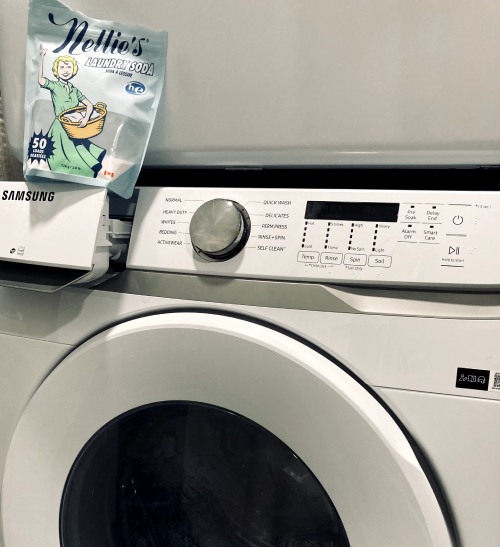
Here are safe laundry detergents that contain minimal or no synthetic chemicals. These detergents are generally safer for people with chemical sensitivities. These links are affiliate links, meaning I could earn a little commission from Amazon if you make a purchase through these links.
- Nellie’s Laundry Soda: Highly concentrated laundry soda, formulated with just four essential ingredients, catering to individuals seeking reliable and convenient laundry solutions. This is what I use at home when I don’t make my own. You can find it at Sierra Trading Post cheaper sometimes.
- Dr. Bronner’s Pure-Castile Liquid Soap: Dr. Bronner’s soap is made from organic oils and simple, natural ingredients. It contains no synthetic fragrances, dyes, or preservatives. This soap is versatile and can be used for laundry when diluted.
- Molly’s Suds Laundry Powder: This powder is free from synthetic fragrances, dyes, and harsh chemicals. It’s made with just five earth-derived ingredients, such as sodium bicarbonate and magnesium sulfate.
- Eco-Me Laundry Detergent: Free of sulfates, phosphates, and dyes, Eco-Me uses natural ingredients that are gentle on sensitive skin and lungs. It’s vegan and cruelty-free.
- Biokleen Laundry Powder: This product is free from synthetic fragrances, preservatives, and dyes. It uses plant-based ingredients and natural minerals to clean without leaving irritating residues.
- Charlie’s Soap Laundry Powder: Made with simple, biodegradable ingredients, Charlie’s Soap is free of dyes, fragrances, and harsh chemicals. It’s designed to be hypoallergenic and gentle on sensitive skin.
Homemade Laundry Detergent (HE Machine Friendly)
- 1/2 bar of soap (like Dr. Bronner’s or castile soap)
- 1 cup washing soda
- 1/2 cup borax
- 1/2 cup baking soda

Instructions:
- Use a cheese grater or food processor to finely grate half the bar of soap.
- Combine the grated soap, washing soda, borax, and baking soda.
- Keep the detergent in an airtight container.
- Add 1 tablespoon of detergent for regular loads. For heavily soiled loads, you can use up to 2 tablespoons.
My Personal Experience
Perfumes seem unescapable. This unfortunate reality combined with my fragrance sensitivity has been a burden on my family. I am extremely sensitive to smells. They hurt my sinuses and lungs, plummet my blood pressure, triggers IBS, and more. It sets me back for days. I used to faint(possibly seizures) in public, but now I mostly just avoid the public. Moving to Wyoming has been a great improvement, though. The low humidity and strong winds make the neighbor’s laundry smells less of a nuisance and I’m able to be in outdoor public outings more easily. People generally just seem more respectful here. In Louisiana, my child’s school smelled like Bath and Body Works just standing in the parking lot! In the school, it was unbearable. The teachers inconsiderately sprayed students with fragranced products. The elementary school my children are in now is a night and day comparison, thankfully!
Has anyone else had a similar experience?






 Wyoming Prairie
Leave a reply to hubertprevy Cancel reply