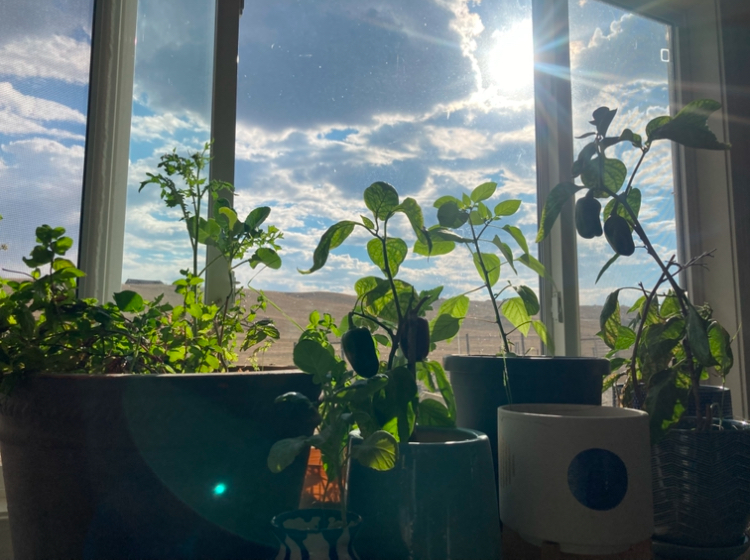
Herbs, snow peas, celery, strawberries, bell peppers, jalapeños, and even potatoes can thrive indoors with the right conditions. My plants are near south-facing windows using just natural light. I did try germinating some in an aquarium with just the aquarium light but they’re leggy. Here is what I’ve learned from my attempt at indoor gardening this year.
This post contains affiliate links, meaning I may receive a small commission if readers make purchases through these links.
Herbs (Basil, Parsley, Mint)

Herbs are some of the easiest plants to grow indoors. They require moderate light and benefit from regular pruning. Keep the soil consistently moist but not waterlogged. My herbs are growing okay on shelving in clay pots with little care.
Herbs are rich in vitamins like vitamin C (parsley), vitamin K (basil), and vitamin A (cilantro), as well as powerful compounds like flavonoids, polyphenols, and essential oils that provide antioxidant, anti-inflammatory, and antimicrobial benefits.
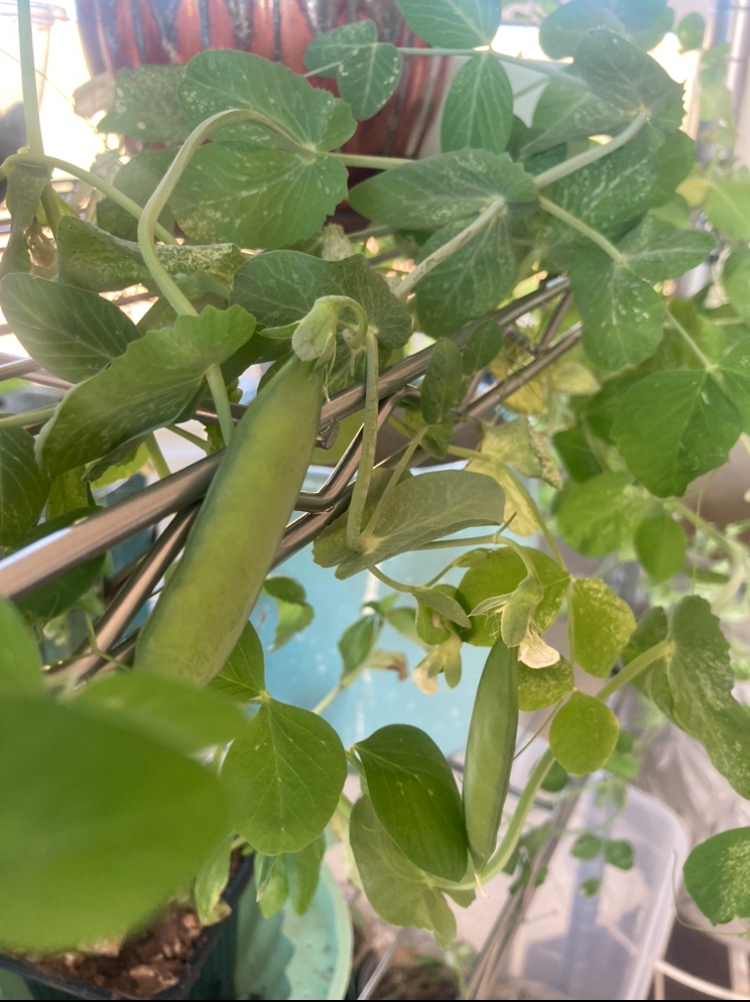
Snow Peas
Microgreens

Microgreens are the easiest. Just water the seeds and cut them for salads. You can cover the bowl with thin plastic to keep the water from evaporating so quickly.
Strawberries
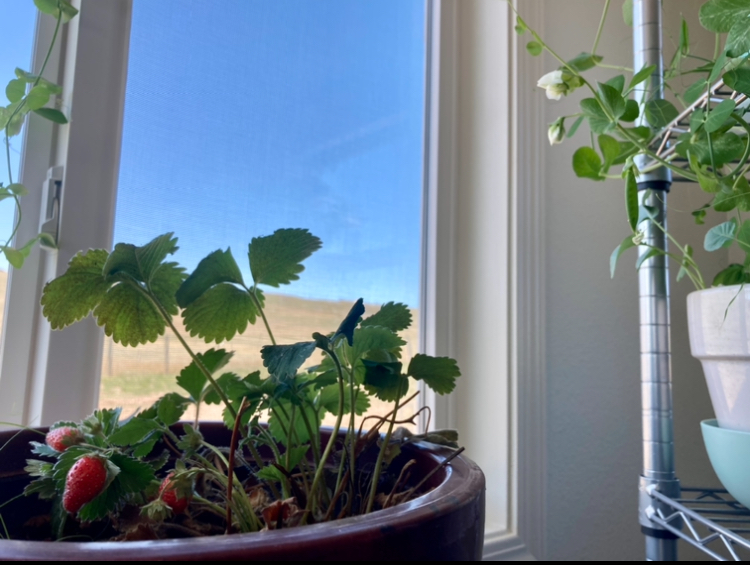
Look for everbearing or day-neutral varieties for continuous fruiting. Use hanging baskets or small pots, and ensure they receive strong light.
Celery
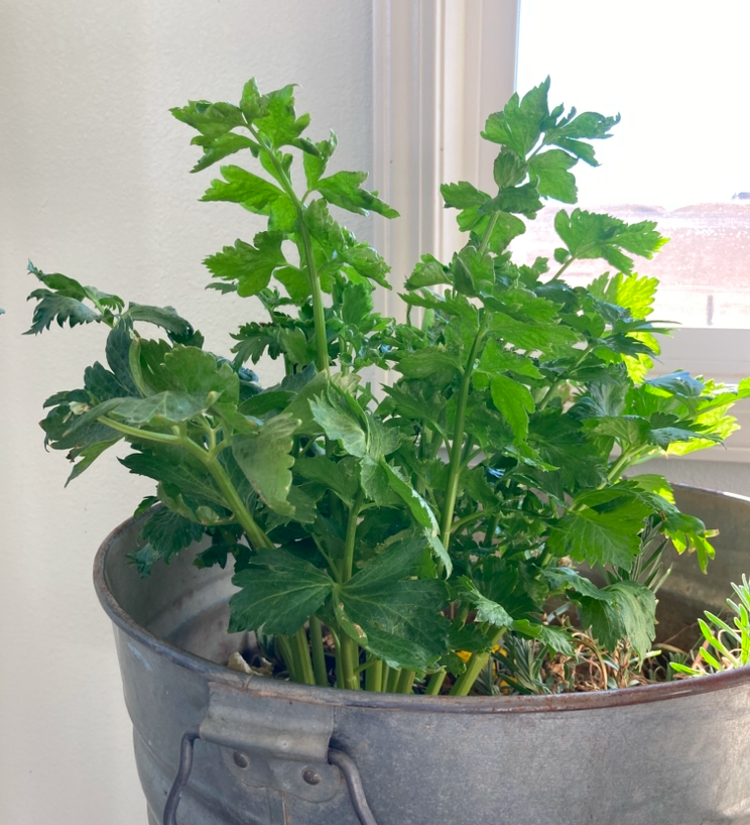
Grow from seed or regrow celery from scraps by placing the base of a used celery stalk in water until roots form, then transferring it to soil. It grows slowly and prefers consistent moisture.
Bell Peppers and Jalapeños
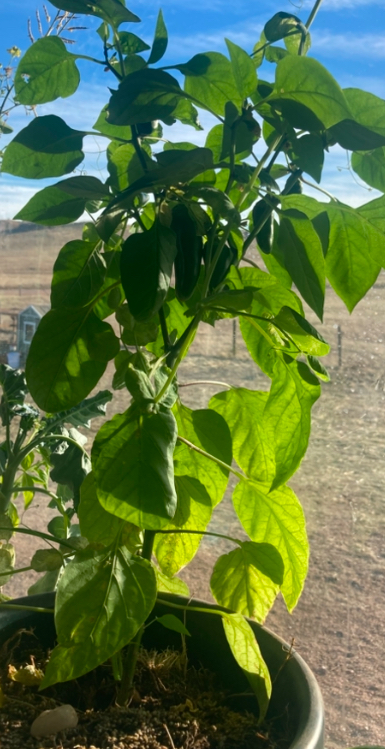
These thrive in larger pots with at least 6 inches of soil depth. They need bright light, high temperatures (70–80°F), and regular fertilization.
Jalapeños have been easier than bell peppers. I thought using cheap pots without drainage was causing discoloration in the bell pepper leaves, then I thought it was aphids. Now I’m thinking they’re struggling with the low humidity. Use a humidifier if your home is dry, especially in winter, to maintain humidity levels around 40–60%.
The peppers I’ve grown in my sunroom have been like candy compared to grocery store peppers. So worth the effort.
Potatoes
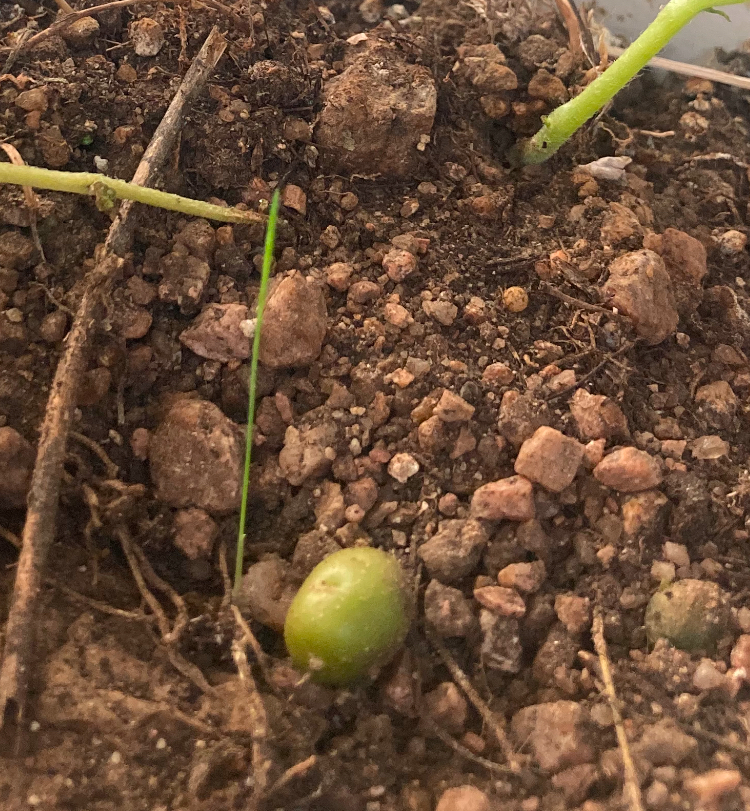
Use grow bags or deep pots for potatoes. Plant seed potatoes in a well-draining mix, and add more soil as the plants grow to encourage tuber development. You can plant eye cuttings from organic grocery store potatoes to make seed potatoes, like I’m doing in this picture.
Recognizing Low Humidity Damage
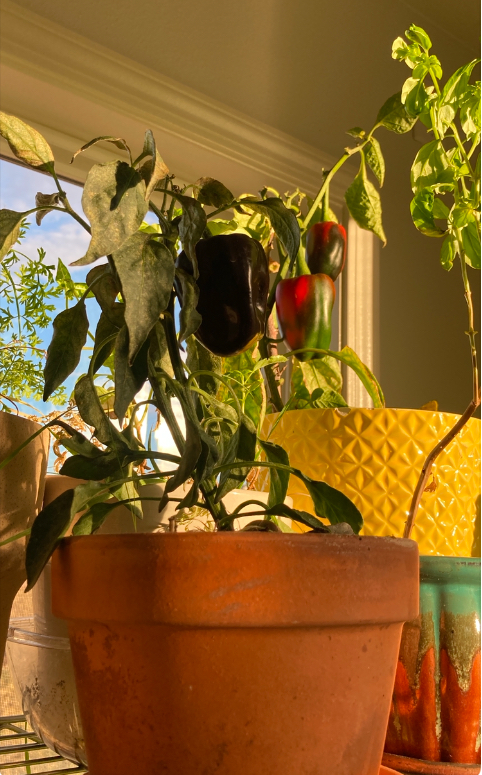
Dry, Crispy Leaf Edges: Leaves may brown and curl at the edges due to excessive moisture loss through transpiration.
Slow Growth: Plants may struggle to develop new leaves or flowers.
Wilting Despite Watering: Even with adequate soil moisture, leaves can droop or feel papery due to insufficient atmospheric humidity.
Flower or Bud Drop: Fruiting plants like peppers and strawberries may lose flowers prematurely.
Aphid and Spider Mite Damage vs. Low Humidity Stress
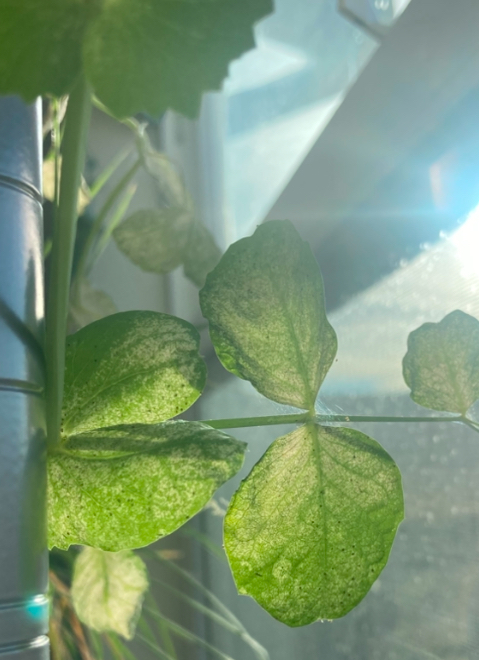
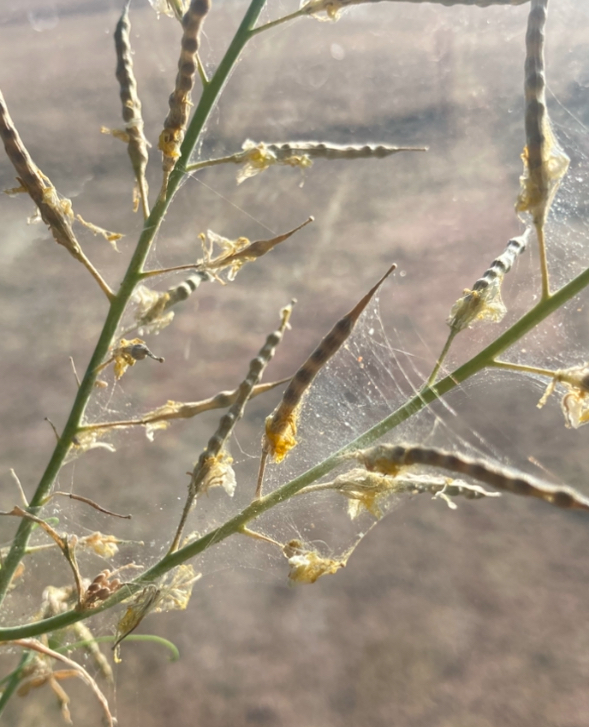
Low Humidity:
- Differences: Unlike pests, low humidity causes uniform dryness across the leaf, especially at edges, without the presence of webbing, insects, or honeydew.
Aphids:
- Signs: Sticky residue (honeydew) on leaves, distorted or curled new growth, and clusters of small green, white, or black insects.
- Cause: These sap-sucking pests feed directly on plant juices, depleting nutrients.
Spider Mites:
- Signs: Fine webbing on undersides of leaves, tiny yellow or white spots (stippling), and leaves turning bronze or yellow. The pictures above are likely spider mites.
- Cause: Spider mites thrive in dry environments and pierce plant cells, leading to discoloration.
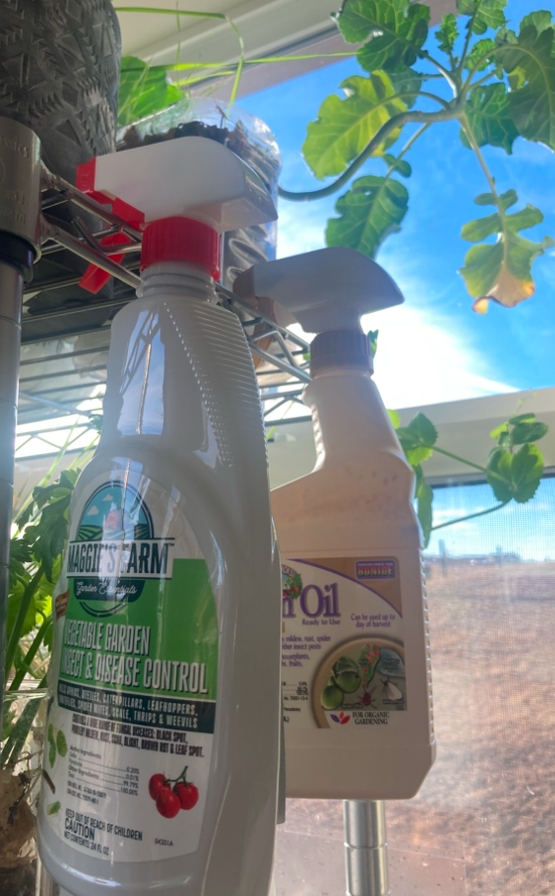
To prevent or manage pest damage:
Inspect Plants Regularly: Check the undersides of leaves for pests or signs of damage.
Introduce Beneficial Insects: Ladybugs and lacewings can control aphids effectively in enclosed environments.
Neem Oil or Insecticidal Soap: Treat affected plants to eliminate aphids and spider mites. Ensure proper ventilation to prevent residue buildup.
Hand Pollination for Indoor Success
Hand-pollination is crucial for fruiting plants like bell peppers, jalapeños, strawberries, and snow peas.
Use a small, clean paintbrush or cotton swab to transfer pollen from one flower’s male parts (anthers) to another’s female parts (stigma). For self-pollinating plants like peppers, gently tap or shake the plant to move the pollen. I just use my hand to tickle the flowers because I’m lazy and it works.
Start Seeds in Repurposed Packaging
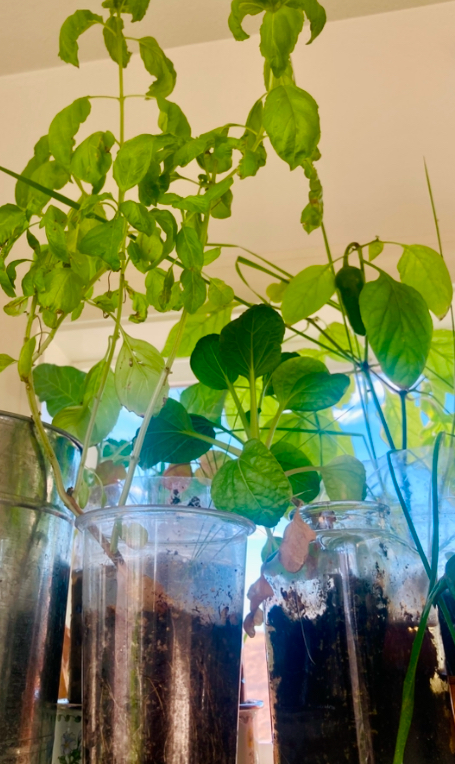
Hopefully, next year I’ll have more impressive photos to share. While my indoor garden wasn’t Pinterest worthy this year, it did produce some tasty little snacks. Buying a lot of pots from the start is expensive, so most of my plants started out in repurposed food packaging. I got some pots for free on FB marketplace by the time they were ready to transfer.
Please share any tips in the comments! Thanks for reading.



 Wyoming Prairie
Leave a reply to hubertprevy Cancel reply