
As a kid, I never had a problem with the venison my father and step-mom would cook but I didn’t like eating meat after learning how commercially raised animals were kept. I avoided meat when I could once I was no longer eating mostly venison with my Dad. I ate a lot of cereal and sugary junk instead. Consequently, I ended up with metabolic and mood issues. There’s no quick fix pill for that so I had to learn how to become stable. For me, that meant I needed meat. I still prefer to make sure the animals are happy and healthy if I’m going to eat them.
Food in the grocery store is designed to be cheap and appealing, but that doesn’t always mean it will be fresh and nutritious. If you want fresh, ripe produce, it’s best to grow it. Beyond the romanticized notion of tending a garden or keeping a few chickens, there are profound scientific reasons why reconnecting with our food sources matters.
The Microbiome Change
Our microbiome, the diverse community of bacteria, fungi, and viruses that reside in our gut, plays a critical role in nearly every aspect of our health. Unfortunately, it has undergone a dramatic shift over the last century. Research shows that the introduction of processed factory foods, industrialized farming practices, and widespread antibiotic use has significantly diminished the diversity of our gut flora.
A startling example comes from studies comparing microbiomes of formula-fed infants 100 years ago to breastfed infants today. While breast milk is considered the gold standard for infant nutrition, modern breastfed babies often have less microbial diversity than even formula-fed babies of the past. Why? The industrialized food system has led to the loss of key microbial strains so mothers today pass on fewer beneficial bacteria to their children.
The Hadza people of Tanzania, one of the last remaining hunter-gatherer societies, exhibit a gut microbiomes with significantly greater diversity compared to urban populations. Their traditional diet, rich in fiber and devoid of processed foods, highlights how modern dietary habits erode our gut health.
Reducing Herbicide and Pesticide Use to Improve Health
Herbicides and pesticides can significantly damage the human microbiome by disrupting the balance of gut bacteria. These chemicals, designed to target specific organisms, often do not discriminate between harmful pests and beneficial microbes. Exposure to pesticides like glyphosate has been shown to reduce microbial diversity, which is crucial for digestion, immunity, and overall health. For example, glyphosate can inhibit the growth of beneficial bacteria such as Lactobacillus and Bifidobacterium, leading to an imbalance that may contribute to dysbiosis, digestive issues, and even metabolic disorders. Additionally, some pesticides can compromise the integrity of the gut barrier allowing harmful substances to leak into the bloodstream, triggering inflammation and immune responses.
Beyond microbial diversity, herbicides and pesticides also affect hormone regulation and can promote antibiotic resistance. Many of these chemicals are endocrine disruptors, interfering with hormones like estrogen and thyroid hormones, which play a key role in regulating gut bacteria. This can lead to further imbalances in the microbiome, contributing to conditions like weight gain, metabolic issues, and mood disorders. Some pesticides also encourage the development of antibiotic-resistant bacteria, making infections harder to treat and further damaging gut health. Reducing exposure to these chemicals by growing organic products can help protect the microbiome and improve overall well-being.
Why Soil Matters

One of the simplest and most overlooked ways to improve microbiome health is by getting dirty. Soil is teeming with microorganisms that help seed and maintain a healthy gut. When children are exposed to soil elements through gardening or playing outdoors, they ingest these beneficial microbes, which can help fortify their immune systems and reduce the risk of allergies and autoimmune conditions later in life.
Urban living is associated with lower microbial diversity, which has been tied to gut health challenges and mood disorders. Studies show that children raised in rural areas, where exposure to diverse soil bacteria is higher, have lower rates of asthma and depression.
The Gut-Brain Connection: Food, Mood, and Blood Sugar
Your microbiome doesn’t just influence digestion; it plays a direct role in mood regulation. Serotonin, a neurotransmitter often called the “happy chemical,” is predominantly produced in the gut. A diverse microbiome fosters the production of serotonin and other mood-stabilizing chemicals, reducing the risk of anxiety and depression. By growing your own food, you’re not only avoiding the harmful additives and preservatives found in many processed foods but also increasing your access to fresh, nutrient-rich produce that supports gut health.
Moreover, a stable microbiome is essential for blood sugar regulation. Studies are showing over 90% of Americans to be metabolically unfit. Fermented foods, fresh vegetables, and healthy fats—all staples of a homegrown or home-raised diet—promote balanced blood sugar levels, reducing the likelihood of insulin resistance and metabolic disorders. Factory foods, on the other hand, often lead to rapid spikes and crashes in blood sugar, which can exacerbate mood swings and energy slumps.
Reactive Hypoglycemia
As a teen, I ate lots of junk food, sugar, cereal, and pastries. In my late teens, as a vegan, my blood sugar was so unstable that I would faint in public not long after eating. It nearly cost me my budding career. I started checking my blood sugar and learned I was crashing from reactive hypoglycemia. This experience opened my eyes to how food choices directly impact health. Checking family members’ blood sugar has also alerted me to how unhealthy the people around me are. I’ve found multiple family members’ blood sugar to be in the 50s, and their doctors wouldn’t think to consider hypoglycemia when they’re having health issues.
Reactive hypoglycemia, characterized by a sharp drop in blood sugar levels after eating, can be an early indicator of metabolic dysfunction. This happens when the body releases too much insulin in response to food, especially meals rich in carbohydrates, leading to blood sugar levels that fall too low. Over time, this exaggerated insulin response can pave the way for diabetes.
Persistent insulin spikes and the resulting blood sugar volatility not only strain the pancreas but also contribute to systemic inflammation, increased fat storage, and hormonal imbalances. These factors can trigger a cascade of changes that negatively impact the heart and vascular system. For instance, chronic hyperinsulinemia (elevated insulin levels) is associated with high blood pressure, as insulin can alter sodium retention and blood vessel function. Furthermore, the inflammation and oxidative stress linked to reactive hypoglycemia can damage blood vessel linings, increasing the risk of atherosclerosis—a condition that narrows and stiffens arteries, impairing blood flow and elevating the risk of heart attacks and strokes.
Reactive hypoglycemia may also directly affect the heart’s rhythm and function. Sudden drops in blood sugar can lead to palpitations, rapid heart rate (tachycardia), and, in some cases, arrhythmias due to the body’s heightened release of stress hormones like adrenaline. These episodes can put additional strain on the cardiovascular system, especially if they occur frequently or go unmanaged.
Recognizing and addressing reactive hypoglycemia early is crucial for preventing its progression to metabolic syndrome, type 2 diabetes, and cardiovascular disease. I think every family should know how their blood sugar is looking throughout the day. Routine yearly blood work doesn’t show if you’re having blood sugar dips. Here’s the most affordable glucose kit I’ve tried (affiliate link).
Eating balanced meals with adequate protein, fiber, and healthy fats; engaging in regular physical activity; and monitoring blood sugar levels can help stabilize glucose, reduce insulin overproduction, and protect heart health over the long term.
Avoiding Preservatives with Homegrown Food
Children are now eating around 67% of their diet as processed food. These foods contain chemical additives that can irritate the gut and cause behavioral problems.
Americans are now eating an average of 22 pounds of food additives a year. With chronic diseases being so common, why not just try to eat fresh food?
Growing or raising your own food offers a tangible way to reconnect with what’s truly nourishing. It’s not just about the final harvest or the eggs in your basket—it’s also the process that matters. The soil under your fingernails, the sun on your back, and the satisfaction of preparing food you nurtured yourself all contribute to a deeper sense of well-being.
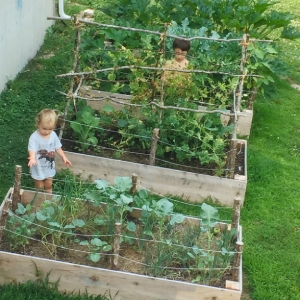
Also, groceries are expensive, so why not try to lower the bill? Start small. Plant a windowsill herb garden or experiment with a single raised bed in your backyard. If space allows, consider getting a few backyard chickens to feed kitchen scraps to.
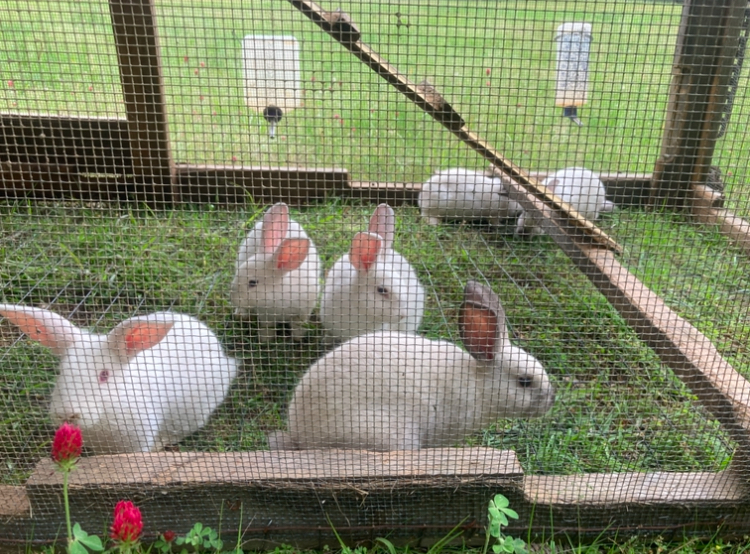
Raising rabbits might just be one of the most efficient and sustainable decisions you can make for both meat production and garden health. Pound for pound, rabbits are protein powerhouses, converting feed into meat more efficiently than almost any other livestock. In fact, rabbits require only a fraction of the space and water needed to produce the same amount of meat as cattle. In my experience, if they are kept in too large of a pen they can get aggressive. They seem to like a small safe space and then you can have a larger exercise area.
Their rapid reproductive rate—producing up to 40 offspring per year from a single breeding pair—means you can quickly establish a steady, renewable meat supply that’s lean, rich in protein, and easier to butcher than chicken, beef, or pork.
Rabbits are also natural composters with droppings that are considered garden gold. Their manure is a “cold” fertilizer, meaning it can be applied directly to plants without the need for composting. Just one rabbit can produce a lot of manure in a year, providing an endless supply of nutrient-rich fertilizer packed with nitrogen, phosphorus, and potassium to supercharge your soil. Plus, their waste is in pellet form, making it easy to use without odor or mess. Raising rabbits is like having a protein factory and a soil-enrichment system in one.
Now I just have to learn how to do all this in Wyoming. We’ve put plenty of meat in the freezer but the veggies are more challenging. If you’re interested, I have some of my grocery store favorites available to browse on my Walmart storefront.
I don’t have a medical background so do your own research on the information I’ve provided. It lines up with my life experience and what I have read in stacks of books written by doctors for doctors. You can subscribe to the podcast linked above to listen to information like this on-the-go.







 Wyoming Prairie
Leave a reply to hubertprevy Cancel reply